Start selling products online

Do you want to launch your own business by selling products online? You can start an ecommerce store, but nowadays there are also other ways to do that. There is an endless amount of platforms available to start selling online today, such as Instagram, eBay, TikTok or Depop.
Content:
- Starting an online store
- Ecommerce software
- What products to sell?
- Finding a wholesaler
- Platforms or marketplaces
Sell products online
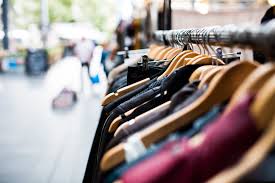
Selling online is easier now than it has ever been. You do not need to have a brick-and-mortar store or warehouse full of inventory. You do not even need an official online store anymore in order to sell online, if that is not your ambition. Second-hand items such as clothes, toys and furniture can easily be sold through online auctions or marketplaces.
You don’t need an online or physical store to sell products.
Not having your own ecommerce business relieves you of many laws surrounding ecommerce. You probably do not have a strict price for your product either, which is why you can let buyers outbid each other. Moreover, through online marketplaces and platforms, you can reach millions of people faster than with a new website. That means that you do not need to mull over marketing strategies when trading on eBay or Facebook Marketplace.
Looking for ecommerce software to start selling in Europe? Webador and Shopify are platforms that are well optimized for cross-border ecommerce.
Starting your own online store

Even though an online store of your own takes more work, it can become more profitable to sell products online that way, once you gain loyal customers and build up your brand.
With your own site you also do not need to worry about the commission that social media platforms or Amazon, eBay or Depop ask for.
Starting your own online shop may be easier than you think.
Ecommerce software
There are several platforms that have user-friendly ecommerce software, professional designs and do not require any coding. For example:

With no technical knowledge required, Webador's user-friendly drag-and-drop website builder is ideal for launching your own online store. Easy to use steps make it easy to customize your site yourself. Next to stores also perfect for a small business website, portfolio or event pages.
- starter friendly: drag and drop, no coding needed
- hosting and traffic included in plans
- simple interface with help and tutorials
- more than 300.000 European users
- based in Eindhoven, The Netherlands
- hosted by Google Cloud

Create your own online store yourself with 100+ themes and a complete app store. Shopify also connects well with marketplaces, socials and dropshippers. The software is technically fully SEO-optimized. Has its own cloud infrastructure in Canada, although EU stores are hosted in EU by Google.
- international market leader (millions of transactions per day)
- supports more than 175 countries worldwide
- sell on socials and marketplaces
- advanced features and customization options
- popular app store with extensive extra functionality
- EU-stores hosted in EU by Google Cloud

Cloud based ecommerce software for small and medium retailers. You build and manage an online store with hosting, templates, payments, and basic SEO included. Focus is on simplicity, UK and EU sales, and fast setup without technical skills.
- built in templates and themes
- one subscription, everything included
- fast setup without technical skills
- supports European VAT rules
- UK and EU market focus
- founded in 2002, based in the UK
Creating your first online store might be easier than you think.
If you have found the right wholesaler already, you can start adding products to your store right away. With a dropshipping supplier that will make you ready to sell, as they will ship your customers orders from their warehouse.
What products can you sell online?
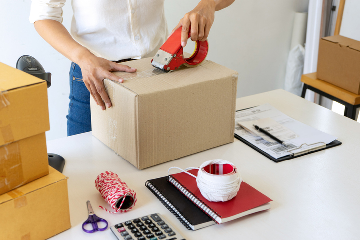
What kind of products you want to sell is entirely up to you. Anything is possible, really. Just take a look around your house. Do you have old furniture or other household items sitting in your garage or attic?
Or maybe your friends and family have a lot of hand-me-downs that they do not want to sell themselves. Selling those items for them can be a perfect way to earn some pocket money.
With an online business you can pretty much sell anything.
If you really want to earn a living with your own business selling products, you will need more than just some old stuff from your attic. The best way to do so is to start your own brand. So ask yourself: is there something that you are an expert in or are passionate about? Perhaps you know a lot about drones, or people always want tips from you about makeup or toys.
Finding a wholesaler or dropshipper
If you know which items you want to sell, it is time to find a wholesale supplier that you can buy your stock from. You can go the traditional route and start chatting up wholesale suppliers at trade shows, but online you can find a ton of platforms as well. Including some that are open to new or small ecommerce businesses, like:

B2B platform connecting retailers with brands and wholesalers from North America and Europe. Focuses on unique brands and products that are often unavailable on major marketplaces. Suitable for both large and small online retailers looking to source or expand their product range.
- 100,000+ brands worldwide
- pay only for the products you order
- discover products through recommendations
- filter on: not on Amazon, women-led, or made in the EU

The b2b platform Orderchamp is full of wholesalers for retailers with low purchase thresholds and minimum orders. Signing up is free. Larger retailers often use the platform to find great additions but small boutiques and concept stores can really find a total offering here.
- 7000+ true European brands
- low minimum order values
- options for exclusive partnerships
- tools for catalog, order, and pricing management
- based in Amsterdam, The Netherlands

Large platform that offers over 100M+ products from European and United States suppliers, including fashion, beauty, and lifestyle products. You get fast delivery, branded packaging, private label options and unique print-on-demand solutions. Suitable for both dropshipping and wholesale.
- beginner-friendly
- suppliers from Europe and the United States
- branded packaging and private label options
- automated inventory sync: keeps your store accurate
- offers a strong Shopify integration
- strong product research tools
Using third party platforms to generate sales

Having a unique brand increases your chances of generating sales in your store as well as on third party platforms. An online marketplace is not just filled with people that do not want the hassle of running their own online store.
In fact, most online sellers on these platforms already have their own brand. These platforms get millions of visitors. It is next to impossible to get this type of reach with your website or social media. You would need to spend nearly all of your funds on marketing. And even then, it may never happen.
Are you looking for things to sell online? Check our pages for wholesale ecommerce, or our page about dropshipping suppliers in case you consider a business with dropshipping products.
While your own shop is meant for loyal customers, platforms are the perfect place to find new audiences. Potential customers can find your products easier on a platform like Google Shopping, eBay or Amazon. And if you use your own packaging or put a discount flyer in your parcel, they may come to your own shop next time. In this way, marketplaces can attract new customers to your own website.
Platforms like Facebook and Instagram

Social media such as Facebook or Instagram Shopping are great to get traffic or visibility, but can also be used for selling online. These parties often work with a commission. The transaction fees for an online seller are usually somewhere between 1 and 15 percent of the purchase price, depending on the platform. Keep in mind that these selling fees can take a big chunk off your profit.
Competition on marketplaces
However, even with your own brand of unique products, getting to sell online through platforms can be harder than you think. Facebook Marketplace and eBay, for example, have a huge range of products. This means that your items can be lost in what these platforms have to offer. It may take some time before your products gain more visibility.
While online shopping, potential customers browse tons of online stores.
At the same time, customers love to browse on platforms. In real life you probably would not visit ten different stores for one product. In online selling, there is a slight difference. Online shoppers often go to tons of different stores without buying anything. Even though thousands of customers see your product every day, this may not be reflected in the amount of orders. So even when your visibility is good enough, you will still need to invest in marketing to actually sell things online.
Frequently asked questions (FAQ)
Some frequently asked questions about selling online:
Are you allowed to sell anything online?
No, you are not allowed to just sell anything online. It is not a good idea to start an online store with an assortment of weapons or endangered animals. There are laws and requirements that dictate which products can be sold in an ecommerce business. Keep in mind that these laws may be different per country. If you are planning to generate online sales internationally, make sure to check these rules.
Can I sell second hand products?
Yes, millions of people sell second hand items online. Second hand clothes are very popular and furniture can also easily find a new owner. As long as the customer knows that what they are buying is second hand and you are honest about any defects, there will not be a problem.
Is selling online an easy way to make money?
It is possible, but starting an online store is harder than it looks. It is not the fastest or easiest way to make money, because you will need to invest a lot in marketing to get results. Creating your own brand and trading those products on online marketplaces can be easier, but this has its own unique challenges.
